Proportional Bias in Marketing: How Price Changes Customer Perception
Discover how ratios, anchor points, and comparison frames change perceived value, thereby designing attractive yet transparent offers.

1:04 ước tính · Chưa có giọng vi-VN
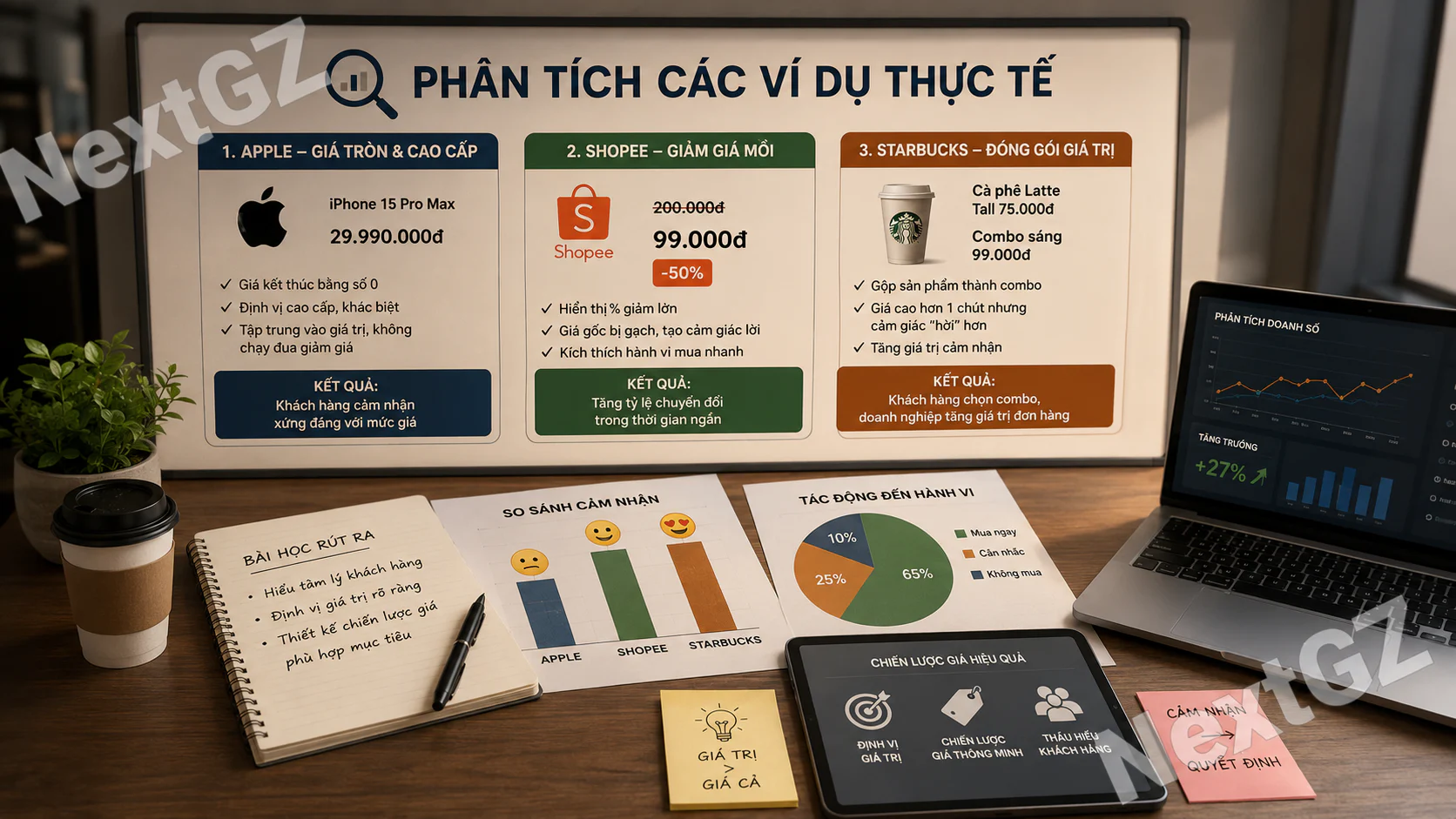
A discount coupon of nearly 19 million VND could be considered insignificant when used to purchase a luxury car worth several billion VND. But that same discount, if applied to a phone priced around 39 million VND, could make the buyer feel this is an opportunity too good to pass up.
The amount of money saved does not change. What changes is the proportion of the discount relative to the original price, the anchor point placed before the customer's eyes, and the frame of reference created by the seller.
This is one of the key principles of price psychology: customers do not always evaluate an offer based on the absolute amount of money. They often evaluate that amount in relation to the initial price, the additional cost they must pay, and the options presented alongside it.
In this article, "ratio bias" is used as a practical term for the tendency to evaluate value based on proportion and context. It is closely related to framing effects, reference points, mental accounting, and transaction utility in behavioral economics.
What is ratio bias in marketing?
Ratio bias in marketing occurs when buyers perceive a saving, cost, or benefit based on its proportion relative to a reference number, rather than looking solely at its absolute value.
For example:
Saving 500,000 VND on a product priced at 1 million VND is equivalent to a 50% discount.
Saving 500,000 VND on a product priced at 50 million VND is equivalent to only a 1% discount.
The buyer keeps 500,000 VND in both cases. However, the first case often feels more appealing because the saving represents a large proportion of the product's price.
Classic research by Amos Tversky and Daniel Kahneman showed that the way the same problem is described can change choices, even though the objective outcome remains the same. In their model, people evaluate outcomes as gains or losses relative to a reference point, rather than always evaluating based on the final total value.

Absolute value vs. Relative value
Absolute value answers the question:
How much money am I actually saving?
Relative value answers the question:
How large is this saving compared to the price in question?
In many quick consumer decisions, relative value holds stronger influence. A person might be willing to travel far to save a small amount on a low-priced product, but unwilling to do the same when that saving is placed within a large transaction.
In an experiment presented by Tversky and Kahneman, 68% of participants were willing to go further to save $5 on a $15 item, but only 29% wanted to take the same action when the item cost $125. The savings and effort required were the same; the price context changed the perception of worthwhileness.
Reference frames in purchase decisions
A reference frame is the number, option, or state used as a benchmark to evaluate an offer.
That benchmark could be:
The original listed price.
The price of a lower-tier version.
The monthly or annual fee.
The value of a gift.
The price of a competing product.
The additional amount the customer must pay.
A price level the customer has seen previously.
The reference point does not necessarily change product quality. It changes how the buyer interprets the product and the transaction.
Why does the same discount amount feel different?
Three main mechanisms help explain this phenomenon.
Discount proportion relative to original price
Suppose two programs both offer a 2 million VND discount:
Original Price | Discount Amount | Discount Percentage |
|---|---|---|
4 million VND | 2 million VND | 50% |
40 million VND | 2 million VND | 5% |
Financially, the buyer saves 2 million VND in both cases. But a 50% offer often attracts more attention because the perceived saving rate is significant.
This does not mean the percentage is always more important than the amount. Buyers still need to consider their budget, needs, and total cost. The percentage is just one of the frames the brain uses to quickly evaluate an offer's attractiveness.

Price anchor points
An anchor is information that appears early and becomes a benchmark for subsequent evaluations.
If a product is introduced at 5 million VND and then discounted to 3 million VND, the 5 million figure may become the anchor. The buyer doesn't just see the 3 million price; they also see the 2 million gap between the current price and the initial benchmark.
Research on judgment under uncertainty by Tversky and Kahneman describes how people often start from an initial value and then make insufficient adjustments away from it. This is a crucial foundation for understanding the influence of anchors in pricing and negotiation.
However, an anchor is only ethically valid if it reflects a justified price level. A list price that is raised temporarily just to create the impression of a deep discount can mislead customers about the true value of the offer.
The feeling of getting a bargain
Buyers don't just derive value from owning the product. They can also receive a form of psychological satisfaction from the feeling of having made a good deal.
Richard Thaler calls this perceived part transaction utility, which can be understood as the value or satisfaction stemming from the "deal" itself, alongside the practical utility of the product. This concept falls within the theory of mental accounting and consumer choice behavior.
That's why someone sometimes buys something they don't really need, simply because the discount feels too attractive to resist.
Analyzing the 19 million VND discount coupon example
Let's place the same coupon worth nearly 19 million VND into two different transactions.
Case one: buying a luxury car
A Bentley can cost several billion VND, depending on the model, configuration, and market. When placing a discount of nearly 19 million VND next to that total value, the saving rate becomes very small.
The customer may not see this as a strong enough factor to change their car-buying decision.
Case two: buying a phone priced around 39 million VND
If a phone costs 39 million VND and is discounted by 19 million, the saving is equivalent to nearly half the original price.
At this point, the offer becomes a central factor in the decision.
It's important to note that this is an illustrative example about proportions, not a direct comparison between the two products. Luxury cars and phones serve different needs, have different customer profiles, budgets, and decision-making processes.
The key insight is this:
The perceived value of a discount depends on the transaction in which it is placed.
When a small gift becomes a great bargain
Suppose a customer buys a computer system worth nearly 39 million VND and receives a mouse worth about 775,000 VND as a free gift.
The mouse isn't a cheap gift. But when placed next to the 39 million VND order, its value accounts for only about 2%. Therefore, the customer might see it as a minor add-on to the transaction.
Now, let's change the presentation:
After purchasing the computer, the customer has the right to pay an additional 39,000 VND to receive the mouse worth 775,000 VND.
The product is still the same mouse. The cost to the store might be nearly unchanged. However, the comparison point in the customer's mind has shifted from 39 million VND to 39,000 VND.
Instead of thinking:
I'm just getting a small gift in a large order.
The customer might think:
I'm paying an extra 39,000 VND to get a product with a listed price nearly 20 times that amount.
The feeling of getting a bargain becomes much clearer.
Businesses can apply this approach to accessories, complementary products, or membership benefits, but must clearly state the conditions. Customers need to know what actual selling price the stated value is based on, whether the product is limited in quantity, and whether any other costs are incurred.
Three ways businesses change price perception
1. Changing the unit of presentation
A membership package costing nearly 14 million VND per year might feel like a large expense.
If broken down by day:
14,000,000 ÷ 365 ≈ 38,356 VND/dayThe message "only about 38,000 VND per day" helps customers relate the cost to more familiar daily expenses.
This presentation style is suitable when:
The product is used regularly.
The value is spread throughout the year.
The customer actually receives benefits for the entire term.
The total price and payment cycle are still clearly displayed.
One should not just highlight the daily price while obscuring the fact that the customer has to pay 14 million VND upfront.
The correct phrasing should be:
14 million VND per year, equivalent to approximately 38,000 VND per day.
It should not just say:
Only from 38,000 VND per day.
The difference lies in transparency.
2. Changing the object of comparison
Suppose a computer with 16 GB of RAM costs 18.6 million VND, and the 32 GB version costs 19.4 million VND.
There are two ways to present this:
First way:
Upgrading the RAM requires an additional 800,000 VND.
Second way:
Only about 4.3% of the total price difference to double the RAM capacity from 16 GB to 32 GB.
The second way provides an additional evaluation frame. The customer doesn't just see 800,000 VND; they also see the percentage difference and the benefit received.
However, businesses shouldn't stop at just specs. They need to explain who the upgrade is suitable for.
Someone who only browses the web and does office work may not need 32 GB of RAM. Someone who edits video, runs virtual machines, handles large files, or uses multiple applications simultaneously might see clearer benefits.
A reasonable percentage difference doesn't necessarily mean it's a necessary choice for every customer.
3. Designing choice architecture
Suppose a store offers three drink sizes:
Size | Price |
Small | 135,000 VND |
Medium | 147,000 VND |
Large | 263,000 VND |
The difference between small and medium is only 12,000 VND, while the large costs 116,000 VND more than the medium.
If the medium size offers significantly better value for money compared to the small, it can easily become the standout choice.
More importantly, the price list shifts the question in the buyer's mind from:
Do I need this drink?
to:
Which size should I choose?
This is the effect of choice architecture.
However, not every three-tier price list is a decoy effect. To determine this accurately, one needs to know the volume, benefits, and design intent of each option. The original research on asymmetric dominance shows that a less attractive option can increase the probability of customers choosing the option that dominates it.
Four price psychology techniques and their limitations to remember
Technique | Main Mechanism | Suitable Use | Risk |
Breaking down price per day or month | Reducing the comparison unit | Memberships, software, long-term courses | Hiding the total amount payable |
Version comparison | Clarifying the additional cost and benefits | Products with multiple configurations | Pushing customers towards an unnecessary tier |
| p |
Đánh giá bài viết
More from author

 Unity
UnityUnity prototype sạch ngay từ ngày đầu: thư mục, assembly boundary và quy tắc đặt tên cho indie team
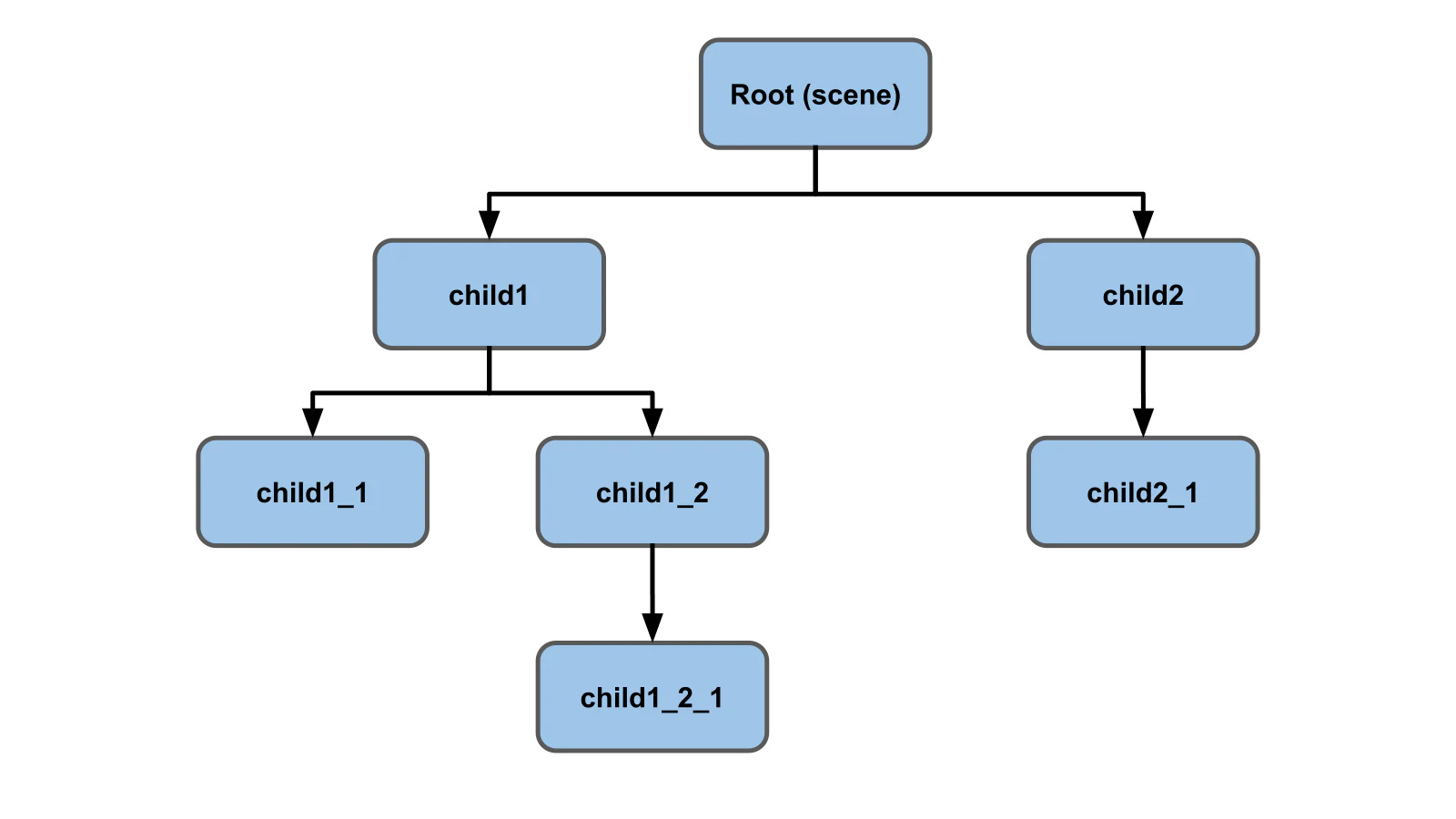
Three.js từ trang trắng đến scene 3D đầu tiên: camera, renderer, ánh sáng và vòng lặp animation
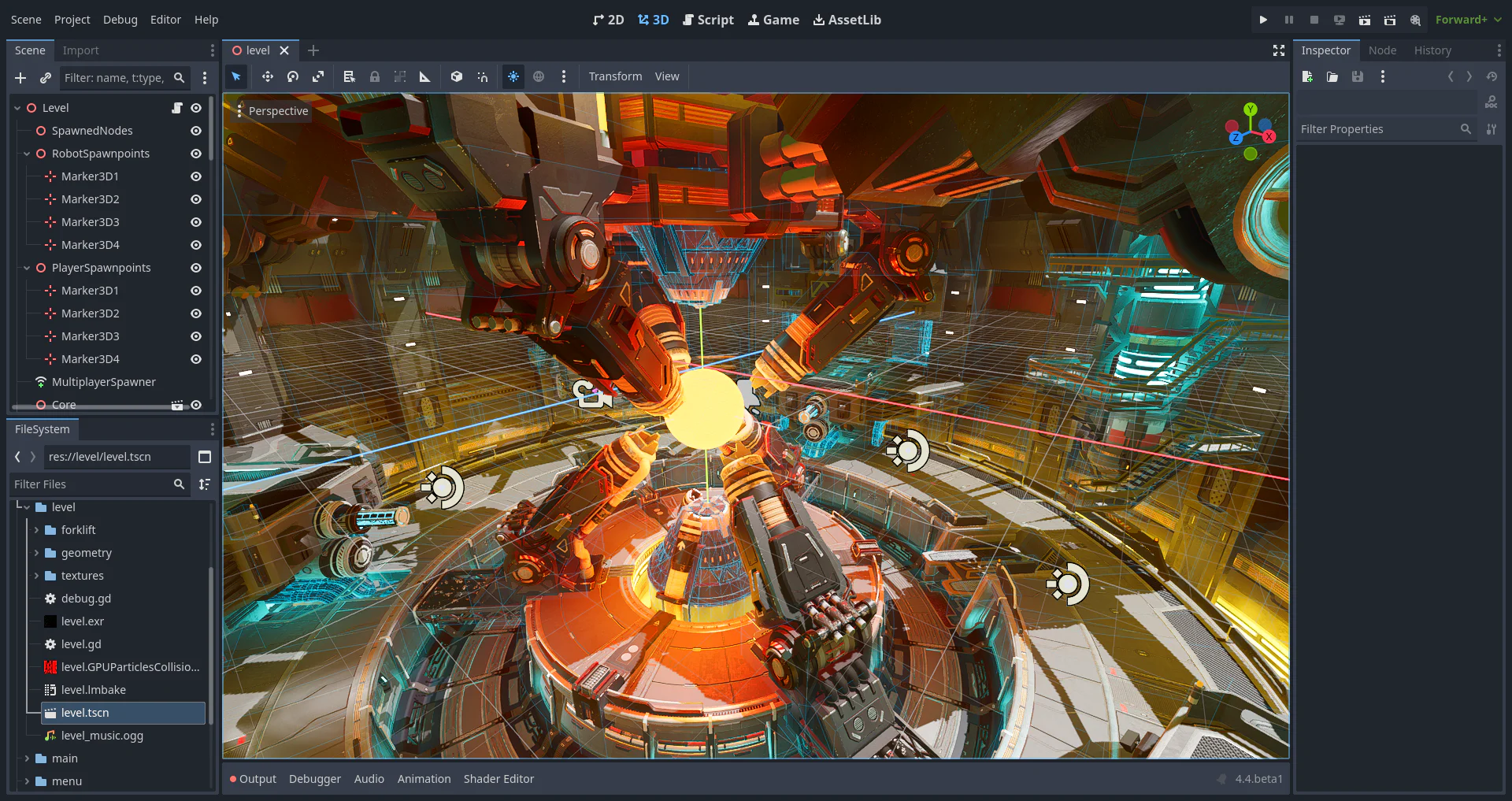
Godot prototype đầu tiên: hiểu Scene, Node và Resource bằng một mini game có thể mở rộng

 Màu Sắc & Ánh Sáng
Procreate Selection nâng cao: Feather, Save & Load, Color Fill và ColorDrop cho flat màu sạch
You might also like

 Phân Tích Kinh Doanh
Cửa Hàng Xếp Hàng Dài Vẫn Có Thể Thua Lỗ: Sai Lầm Marketing Nhiều Chủ Kinh Doanh Đang Mắc Phải
 Phân Tích Kinh Doanh
Costco, Luckin Và Mixue Thực Sự Kiếm Tiền Ở Đâu?
 Phân Tích Kinh Doanh
Không Ai Dạy Bạn Kinh Doanh? Hãy Rèn 5 Tư Duy Này Để Nhìn Ra Cơ Hội
 Phân Tích Kinh Doanh

Bình luận
0 bình luận
Đăng nhập để tham gia thảo luận cùng cộng đồng!
Đăng nhập ngayĐang tải bình luận...