Google Burns $5.9 Billion Cash on AI: Cloud Up 82%, Gemini 4 to Release Model Nearly Every Month
Alphabet records negative free cash flow of $5.9 billion as AI spending surges, despite Google Cloud's 82% growth. Analysis of the Gemini 4 roadmap, coding agent pressure, and impact on Vibe Coding, businesses, and AI Creator.
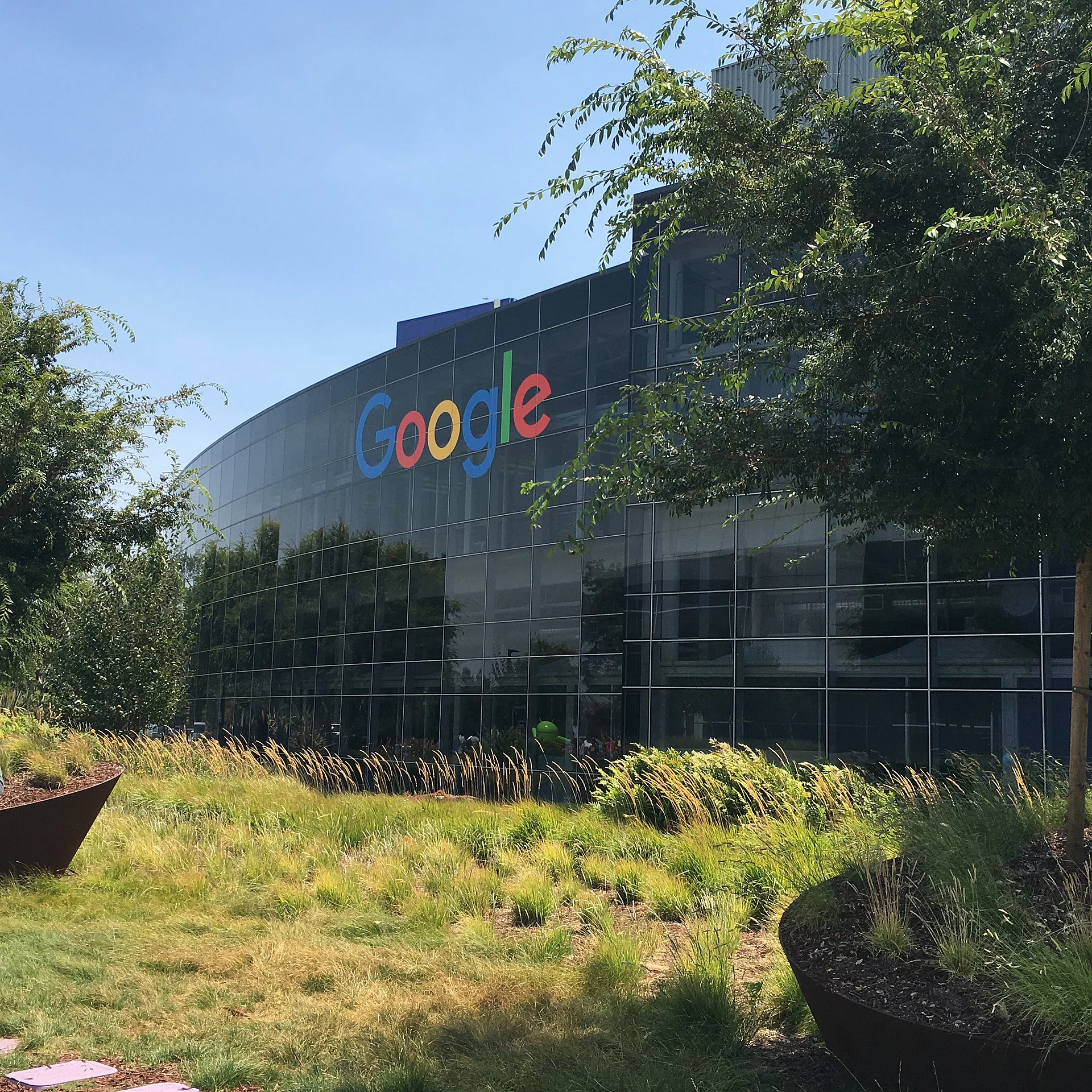
Googleplex in Mountain View. Photo: The Pancake of Heaven!/Wikimedia Commons.
Google is accelerating the AI race with a massive infrastructure bill
Alphabet's Q2 2026 earnings results reveal two sides of the artificial intelligence race. On one hand, Google Cloud grew 82% driven by strong demand for AI infrastructure, the Gemini model, data, and agent platforms. On the other hand, Alphabet reported negative free cash flow of $5.9 billion and raised its full-year capital expenditure forecast to around $195–205 billion. This is not a sign that Google is running out of money or losing money; it shows the company is reinvesting an unprecedented amount of capital to build data centers, buy servers, chips, networking, and energy.
Behind the financial numbers lies a strategic question: can Google turn its advantages in Search, Android, YouTube, Workspace, Cloud, and global infrastructure into a sustainable lead in frontier models, AI coding, and agent systems? Sundar Pichai acknowledged that coding and agentic coding are areas where Google needs to keep improving. At the same time, he emphasized the Gemini Flash line, Google Cloud, and Gemini 4 as three layers of the same strategy: Flash serves massive scale today, Cloud monetizes the entire AI ecosystem, and Gemini 4 is the effort to regain an edge in the most powerful model tier.
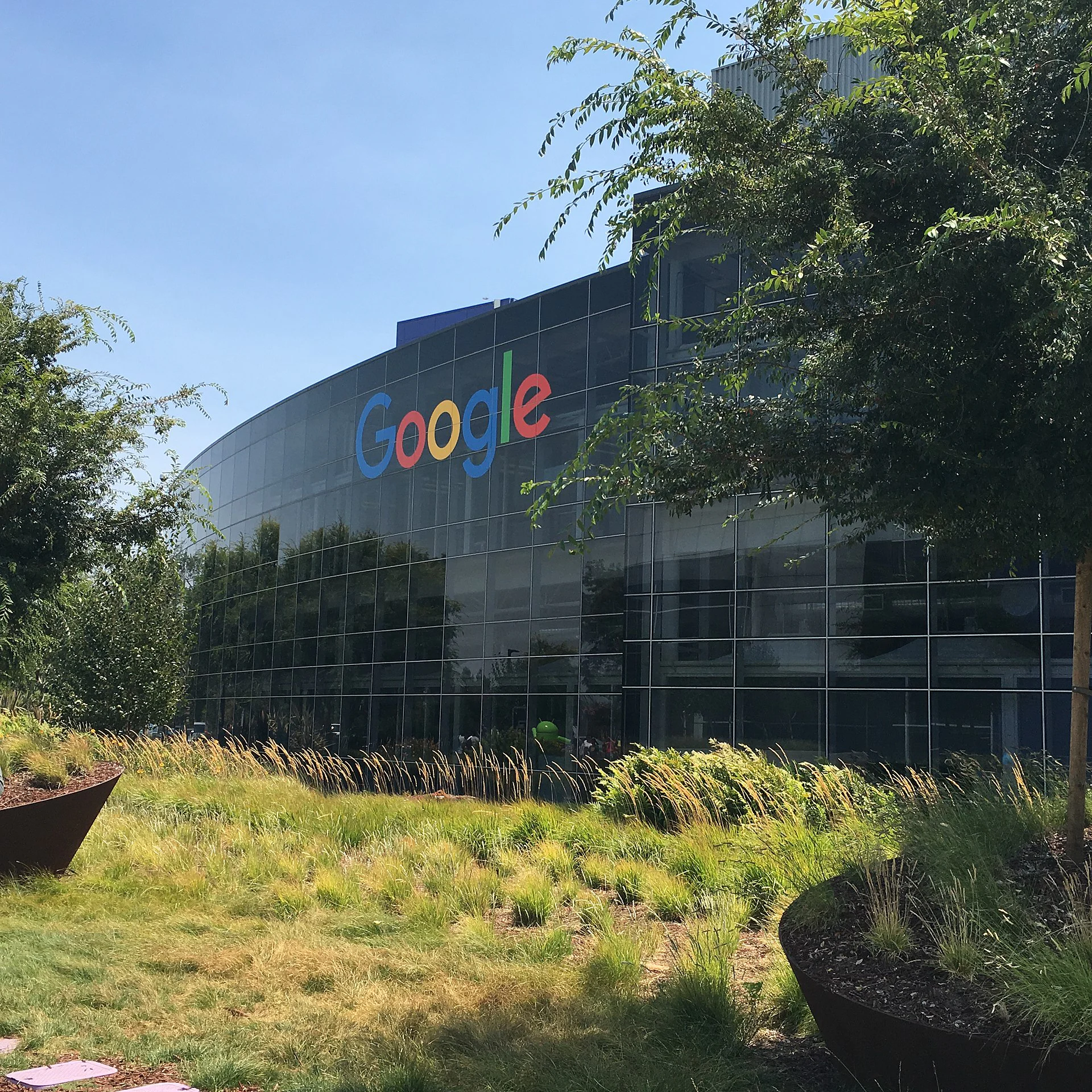
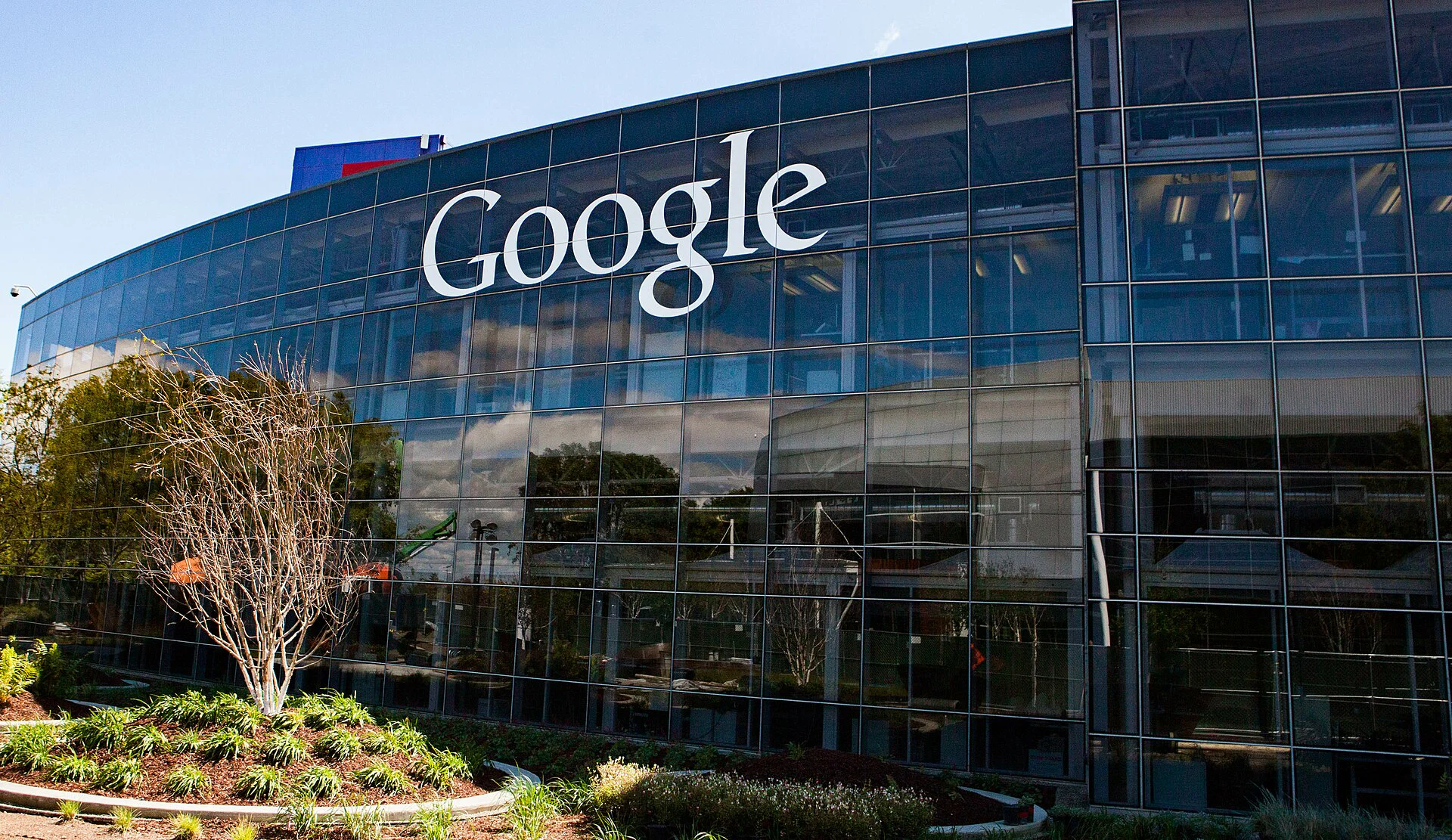
Google logo at headquarters. Photo: Anthony Quintano/Wikimedia Commons, CC BY 2.0.
What did Alphabet report in Q2 2026?
Alphabet announced Q2 revenue of $119.8 billion, up 24% year-over-year. Google Cloud was the fastest-growing segment, with revenue of approximately $24.8 billion, up 82%, while Cloud backlog increased to $514 billion. These figures show that enterprises are no longer just testing chatbots: they are signing long-term contracts to buy compute, databases, security, model APIs, and agent platforms.
The point that caught the market's attention was the sharp increase in quarterly capital expenditure, pushing free cash flow into negative territory at -$5.9 billion. Free cash flow is calculated after deducting investments in long-term assets. So Alphabet still has large operating profits, but the cash spent on data centers and equipment exceeded the cash generated in the quarter. This is a significant change for a business once seen as a software and advertising model with relatively low capital intensity.
AI spending does not end when a data center is completed. Google still has to pay for electricity, cooling, maintenance, high-speed network connectivity, accelerator replacements, and hardware depreciation. As new chips improve performance per watt, older servers still run but become less cost-competitive. This creates a continuous investment cycle, where infrastructure that just went live is already preparing for the next generation.
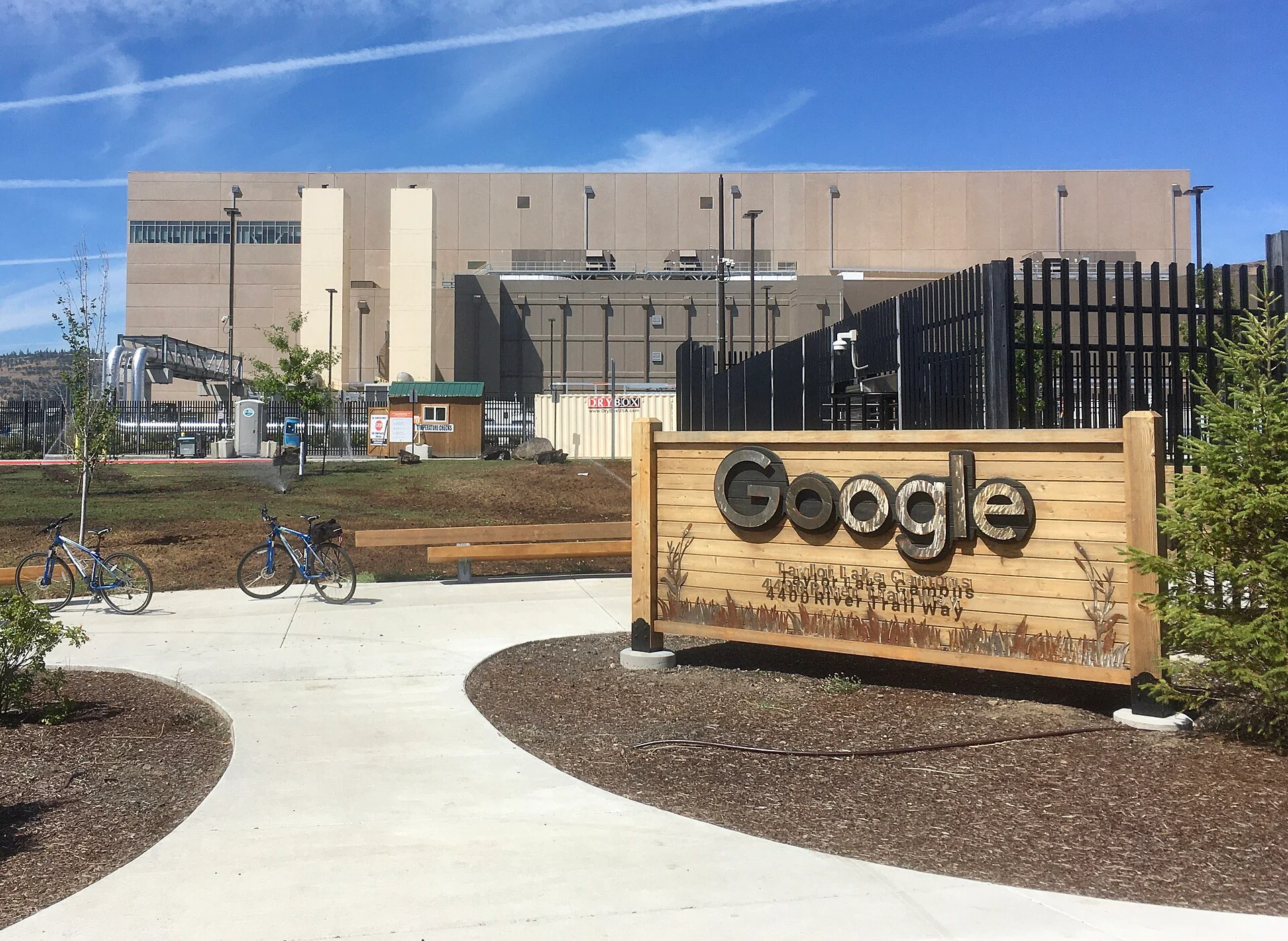
Google data center in The Dalles. Photo: Lambtron/Wikimedia Commons, CC BY-SA 4.0.
Why is Google Cloud's 82% growth the most positive signal?
Google Cloud is the most compelling evidence that AI spending is starting to generate real revenue. The platform monetizes across multiple layers: TPUs and GPUs for compute, Google Kubernetes Engine and Cloud Run for deployment, BigQuery and AlloyDB for data, Vertex AI for models, Gemini Enterprise for agents, along with security and governance products.
Google also has the ability to make money even when customers do not use Gemini. Enterprises can run Claude, open models, or self-trained models on Google Cloud infrastructure. This turns Google into a platform provider rather than just a model seller. That advantage is particularly important as model rankings constantly shift.
However, Cloud growth does not erase the return-on-investment equation. Google says demand is exceeding capacity and it has to supplement capacity externally. Leasing additional infrastructure helps serve customers faster but could pressure profit margins. Investors will therefore track not only Cloud revenue but also inference costs, TPU utilization rates, electricity prices, and the speed of converting backlog into revenue.
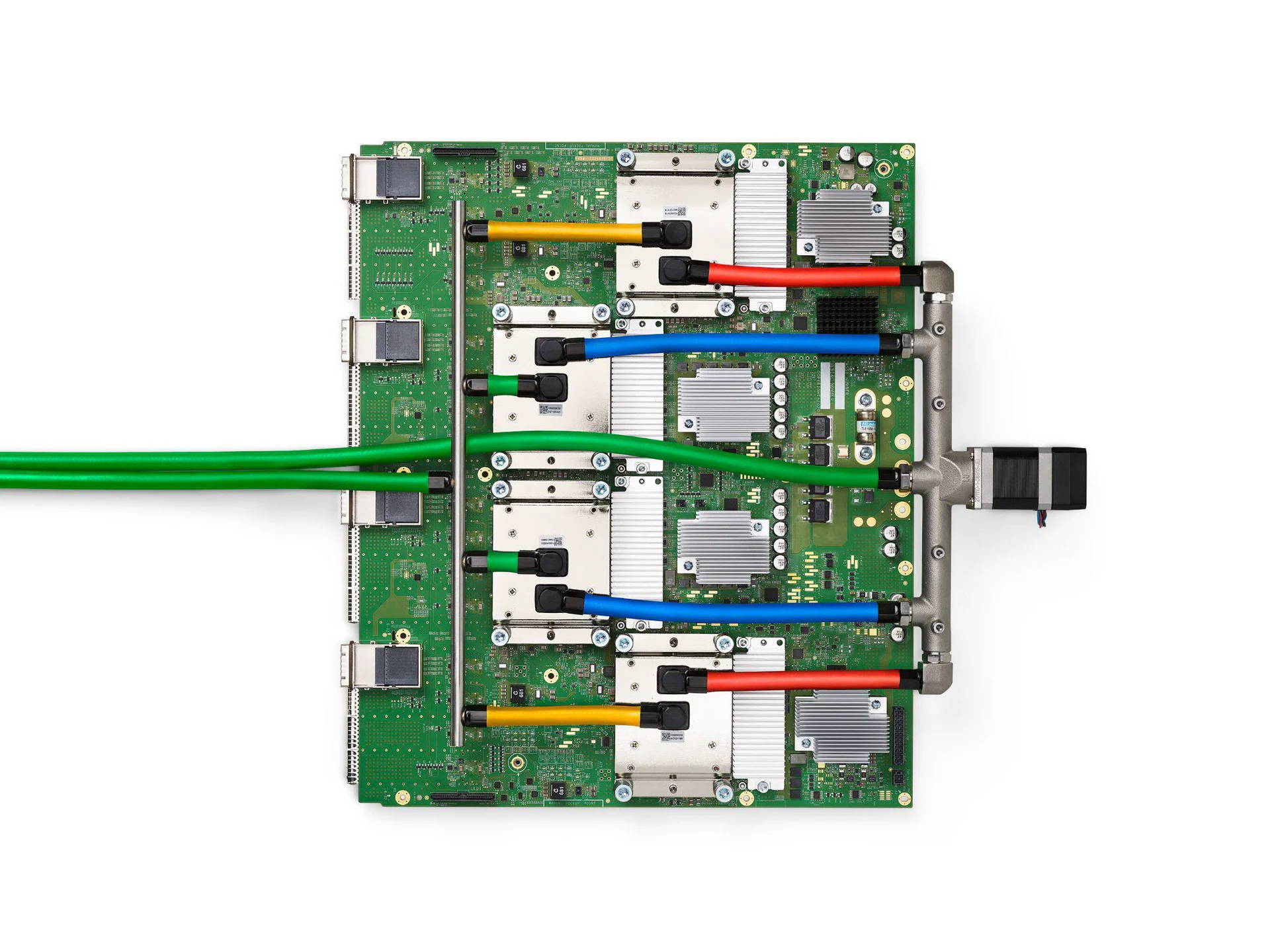
Google's TPU v4 hardware. Source: Google research paper, via Wikimedia Commons.
How does TPU hardware differentiate Google from competitors?
Google has developed TPUs over multiple generations and uses these chips to train and serve Gemini at scale. Owning its own accelerator allows the company to simultaneously optimize hardware, compiler, models, and networking infrastructure. If it improves model serving efficiency, Google can reduce cost per token, increase throughput, and become less dependent on a single chip supplier.
Even so, TPUs do not make Google immune to capacity shortages. Data centers still need land, electricity, transformers, cooling systems, and networks. Additionally, enterprise customers often demand multiple compute options, so Google must still offer Nvidia GPUs alongside its own CPUs and TPUs.
Gemini 3.5 Pro delayed and pressure at the frontier model tier
Google has released Gemini 3.6 Flash, Gemini 3.5 Flash-Lite, and Flash Cyber, but Gemini 3.5 Pro is reported to still be in testing with partners after missing its expected schedule. This raises the question of whether Google is prioritizing efficient models for serving at scale over publicly racing in the most expensive model tier.
The Flash strategy has clear business logic. A sufficiently powerful, fast, stable model with fewer tokens can serve billions of requests in Search, Workspace, Gemini app, and Cloud. Google introduced Gemini 3.6 Flash with improvements in coding, knowledge work, and multimodal capabilities, while reducing output token count compared to the previous generation. For enterprises, this is sometimes more important than topping a single benchmark.
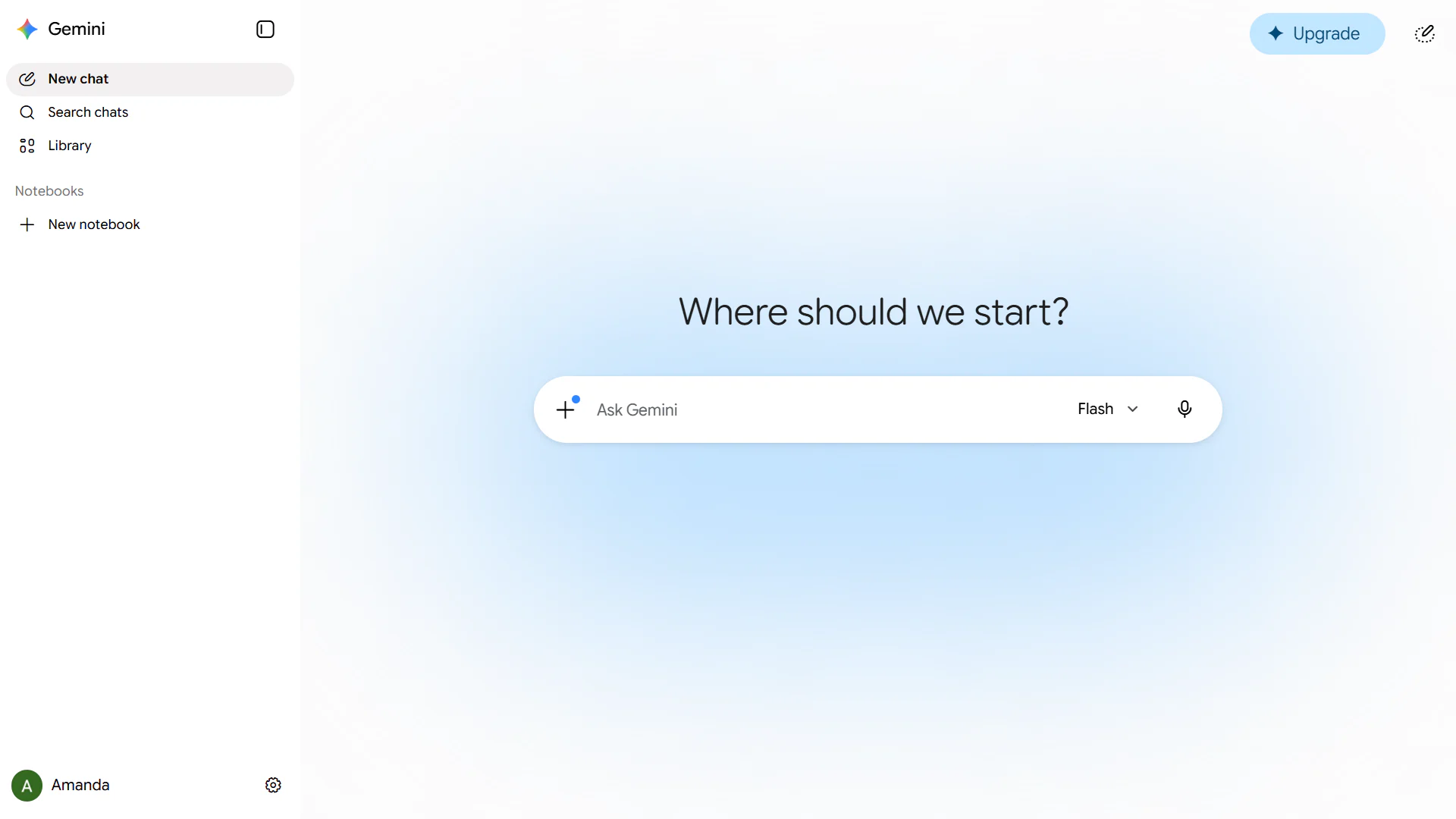
Google Gemini interface. Source: Google, via Wikimedia Commons.
Gemini 4 and the promise of near-monthly model releases
Sundar Pichai described Gemini 4 as an ambitious effort and said Google aims for a denser model release roadmap. That does not mean a completely new frontier model every month. Google may release multiple Flash, Pro, Lite variants or domain-specific models within the same family.
For users, a faster update cadence brings continuous improvements. For enterprises, it creates migration pressure. A new model can change tool calling, output format, reasoning length, cost, and safety behavior. An application that directly calls a model ID in many places will be hard to maintain. A good architecture should decouple the model from product logic, with a gateway for routing, retry, fallback, logging, and cost control.
Sundar Pichai. Photo: Lukasz Kobus/European Commission, via Wikimedia Commons, CC BY 4.0.
Big Tech is becoming a capital-heavy infrastructure business
Generative AI is forcing software companies to invest like the telecom, energy, and manufacturing sectors. Every answer, video, or agent task consumes compute. The longer a model reasons, the higher the inference cost. Therefore, increasing users does not automatically drive profit growth if pricing does not cover infrastructure costs.
The market will track the CapEx-to-revenue ratio, depreciation, electricity consumption, and accelerator efficiency. Companies may lower model prices to attract developers, but if agent workloads run for tens of minutes and call multiple tools, the cost to complete a single task remains high. Enterprises should measure cost per task rather than just looking at the price per million tokens.
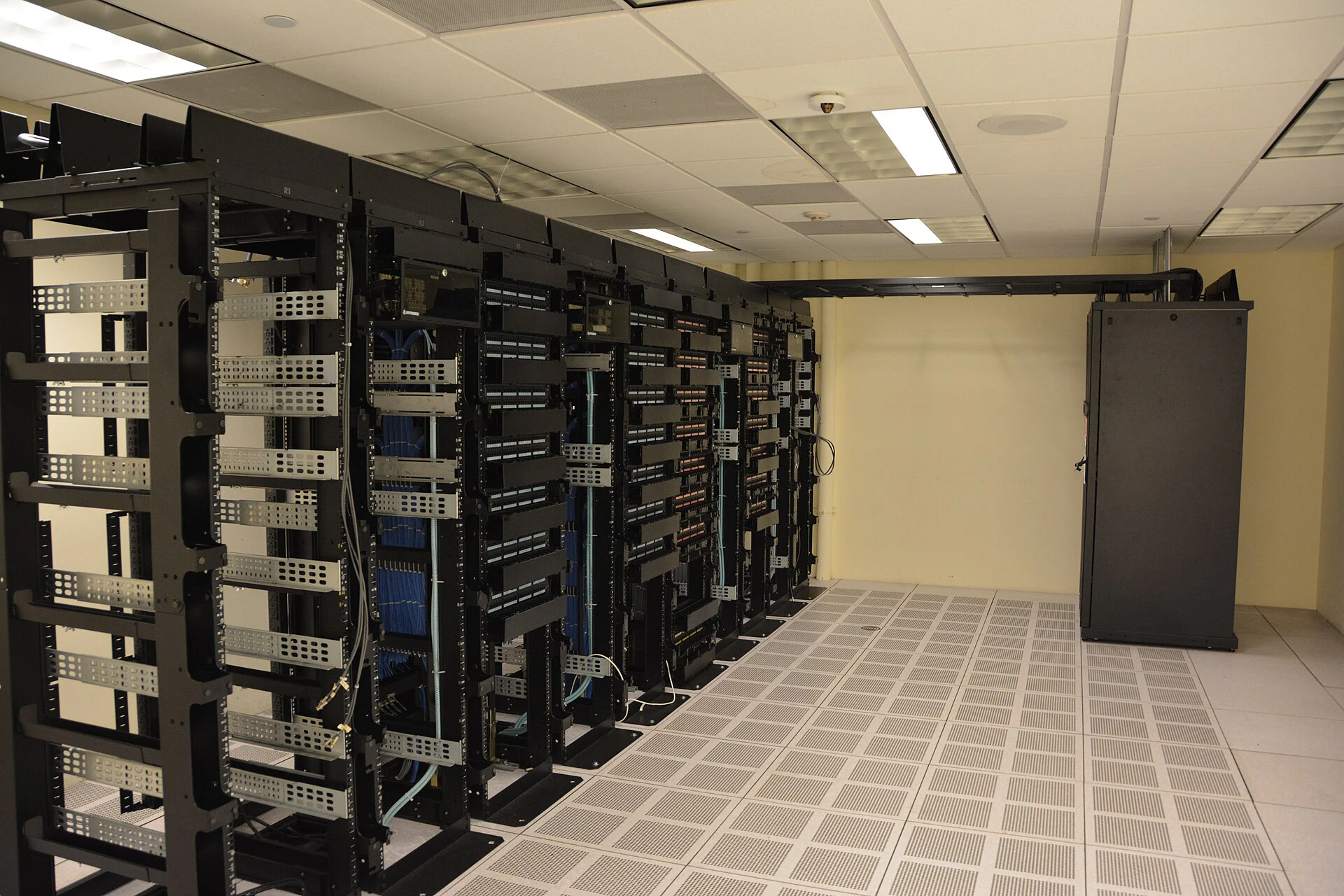
Server cabinets in a data center. Photo: Carl Lender/Wikimedia Commons, CC BY 2.0.
Implications for Vibe Coding and AI Creators
Vibe Coding makes prototyping faster, but it does not eliminate the gap from demo to production. When an application has real users, teams must handle authentication, authorization, data, observability, quotas, deployment, rollback, testing, and costs. The faster models change, the more critical this engineering layer becomes.
Google is connecting Gemini, AI Studio, Antigravity, Cloud Run, BigQuery, and Gemini Enterprise into a complete development chain. This integration provides speed but also increases vendor lock-in. Product builders should keep data and business logic in portable layers, while preparing at least one backup model for critical tasks.
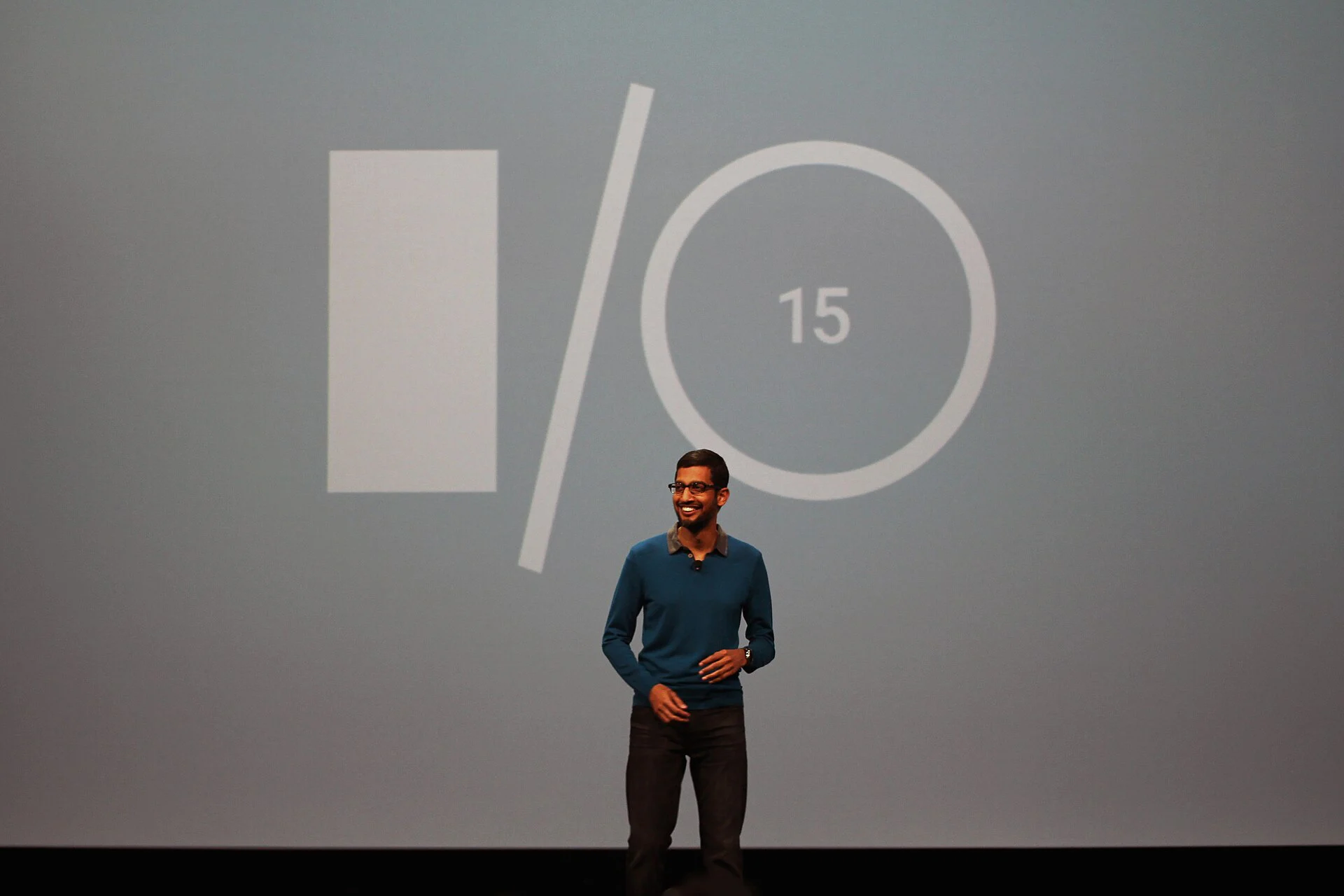
Sundar Pichai at Google I/O. Photo: Maurizio Pesce/Wikimedia Commons, CC BY 2.0.
How should enterprises prepare for the new Gemini cycle?
Decouple model layer from application
Use a model gateway to manage provider, model ID, retry, fallback, and logging. This allows swapping models without modifying the entire codebase.
Benchmark with real workloads
Test on your internal code, language, data, and processes. Public benchmarks are only reference signals.
Measure cost to complete a task
Include tokens, search, tool calls, database, containers, and human review time. A cheap model that fails repeatedly can be more expensive than a powerful one.
Version-control prompts and tool schemas
Prompts, structured outputs, and tool contracts need to be versioned like code, with tests and rollback capability.
Gemini on Android. Photo: Esaizar/Wikimedia Commons, CC BY-SA 4.0.
Is Google losing the AI race?
There is no basis to conclude that Google is losing. The company owns a distribution system, infrastructure, chips, data, and products that very few competitors can replicate. Google Cloud's 82% growth proves real demand, while the Gemini app and AI features in Search generate massive user scale.
However, distribution advantages do not automatically guarantee the best model for developers. Google must prove that Gemini 4, Antigravity, and its coding agents can compete on reliability, long-context capability, and code quality. At the same time, the company must show that the $195–205 billion investment can generate sufficient returns.
For AI creators, developers, and enterprises, the sensible choice is not to bet entirely on one company. Build flexible workflows, measure with real data, and leverage new models without letting each update break your product.














Bình luận
0 bình luận
Đăng nhập để tham gia thảo luận cùng cộng đồng!
Đăng nhập ngayĐang tải bình luận...